
2024 Workshops
The Politics of Identity in the Middle East and North Africa
December 14-20, 2024 – Kuwait City, Kuwait
In December 2024, APSA hosted its 11th MENA Research Development Workshop in Partnership with the Center for the Gulf and Arabian Peninsula Studies at Kuwait University for early-career scholars from the Arab MENA region. The 1-week in-person workshop convened 21 PhD candidates and early-career scholars in political science and other social science disciplines undertaking research that examines the theme of identity politics in the MENA region. Led by Drs. Hamad Albloshi (Kuwait University), Sarah Almutairi (Kuwait University), Lisa Blaydes (Stanford University), and Daniel L. Tavana (Penn State University), the workshop aimed to support fellows in refining their research manuscripts and situating their contributions within broader academic debates. Research project submissions ranged from early-stage proposals to advanced draft manuscripts nearing completion.
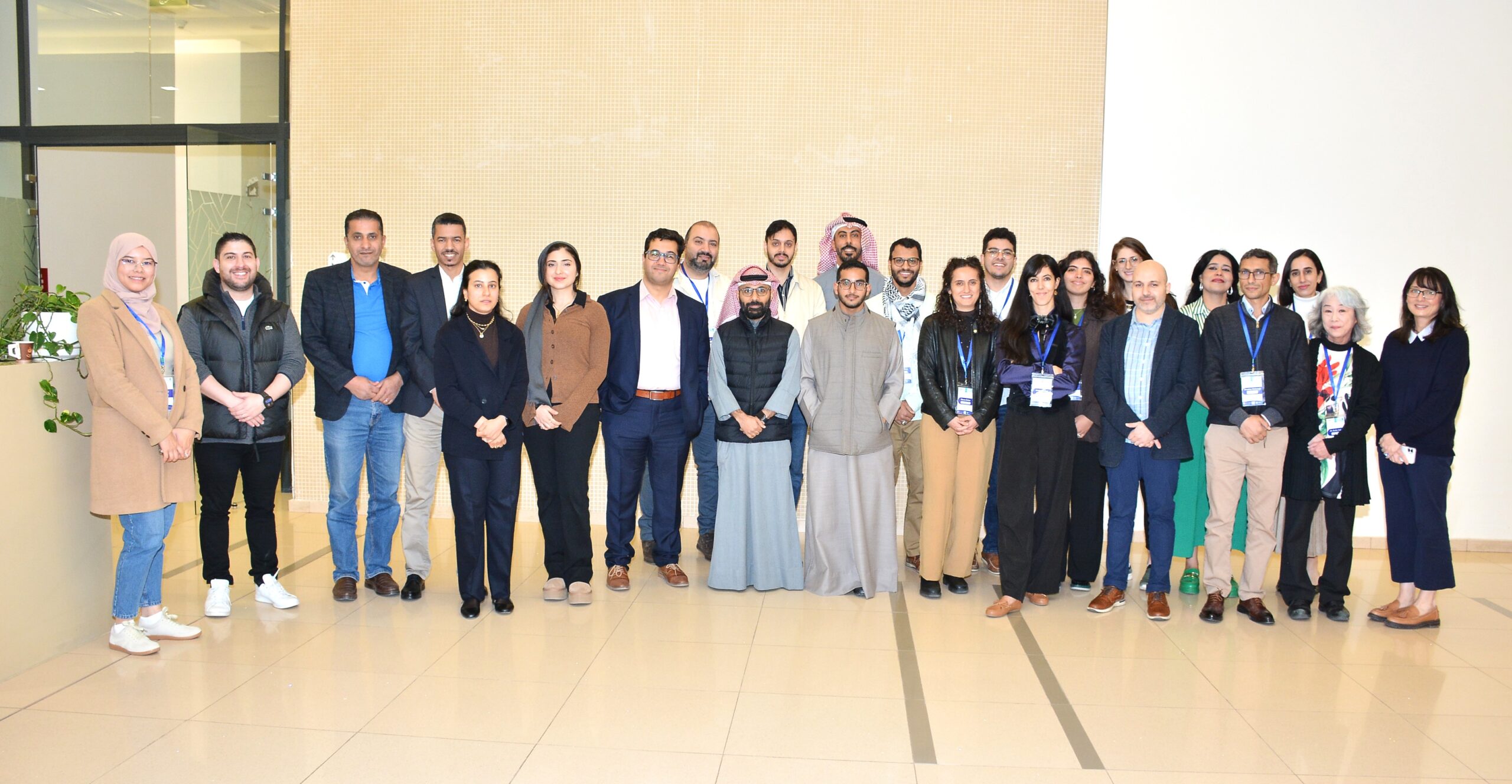
“The feedback from the co-leaders was extremely helpful and enhanced my work’s positionality, giving me a better framing for my research and a clearer understanding of which audience it speaks to.” – Workshop Fellow
Through feedback-focused panels and thematic seminars, participants received constructive feedback on the substance and design of their research projects from both co-leaders and fellow peers. The workshop also featured dedicated sessions on research design and methodology, where facilitators guided participants in refining their research question and theoretical framework. Discussions covered key topics such as concept building and measurement, as well as the complexities of fieldwork, data collection, and ethical considerations in the MENA region. Drawing on their own fieldwork experiences, co-leaders and guest speakers shared insights, best practices, and discussed potential ethical dilemmas researchers may face while conducting research in the region. Participants also had the opportunity to receive personalized guidance and feedback during designated office hours with facilitators. Thematic seminars offered presentations and discussions on a wide range of sub-themes related to identity politics in the MENA region, including gender identity and survey research, religion and national belonging, and ethnic and tribal identities in electoral politics.
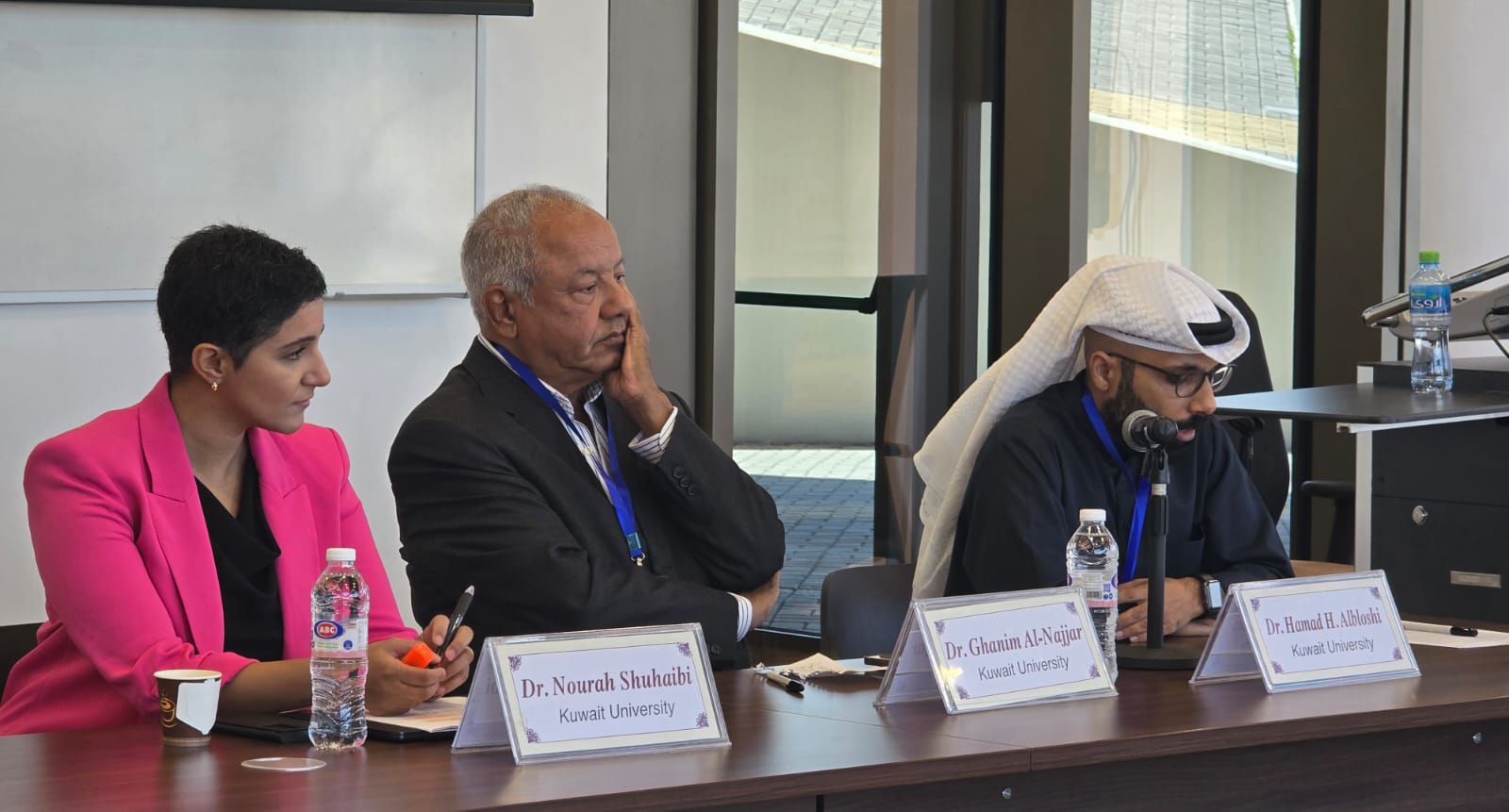
“The opportunity to meet and share ideas with junior scholars was the most valuable part. It was a safe space of peers at the same level of study, research, and knowledge which is less intimidating and more encouraging to speak freely and feel empowered to share my thoughts.” – Workshop fellow
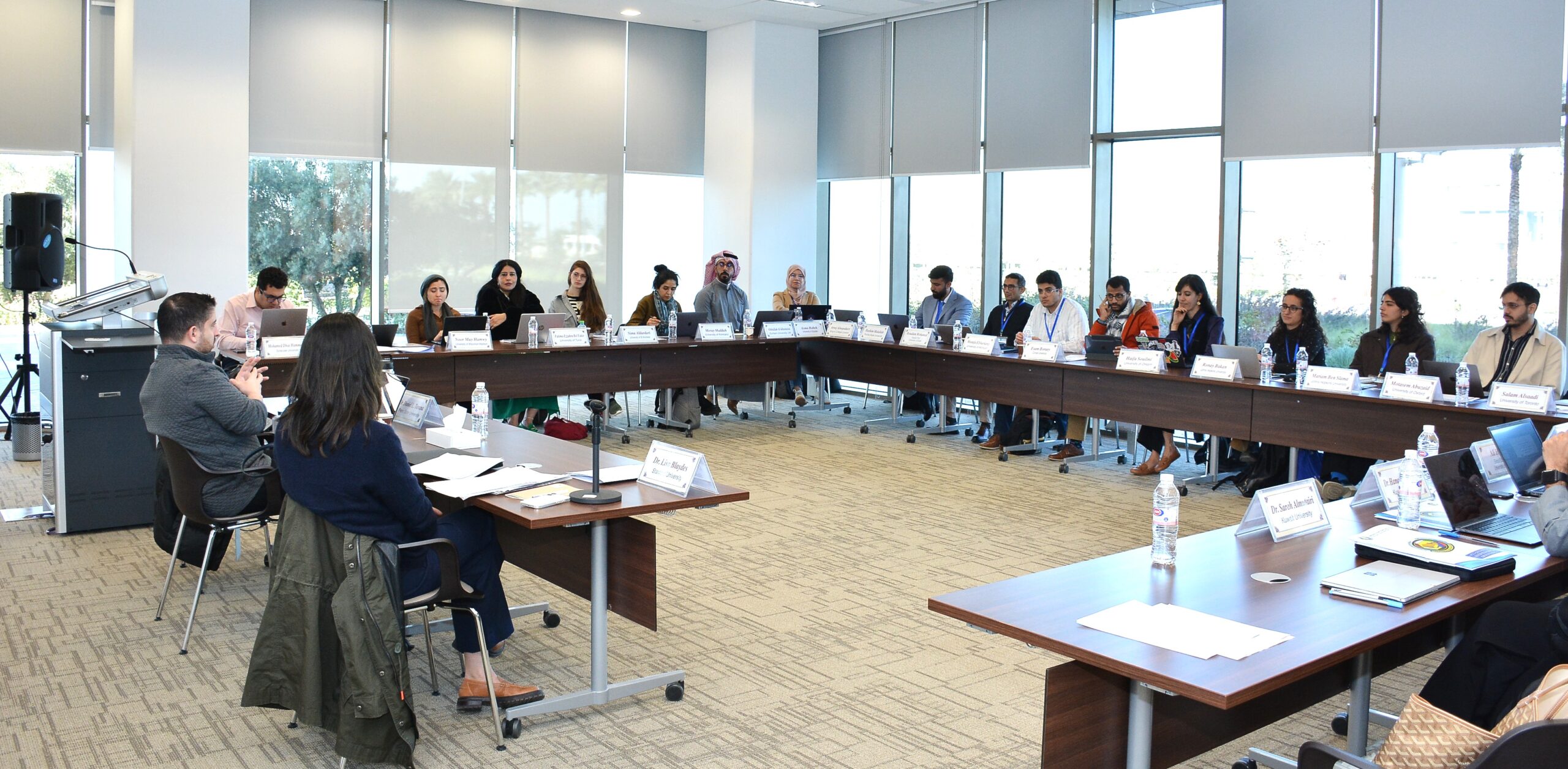
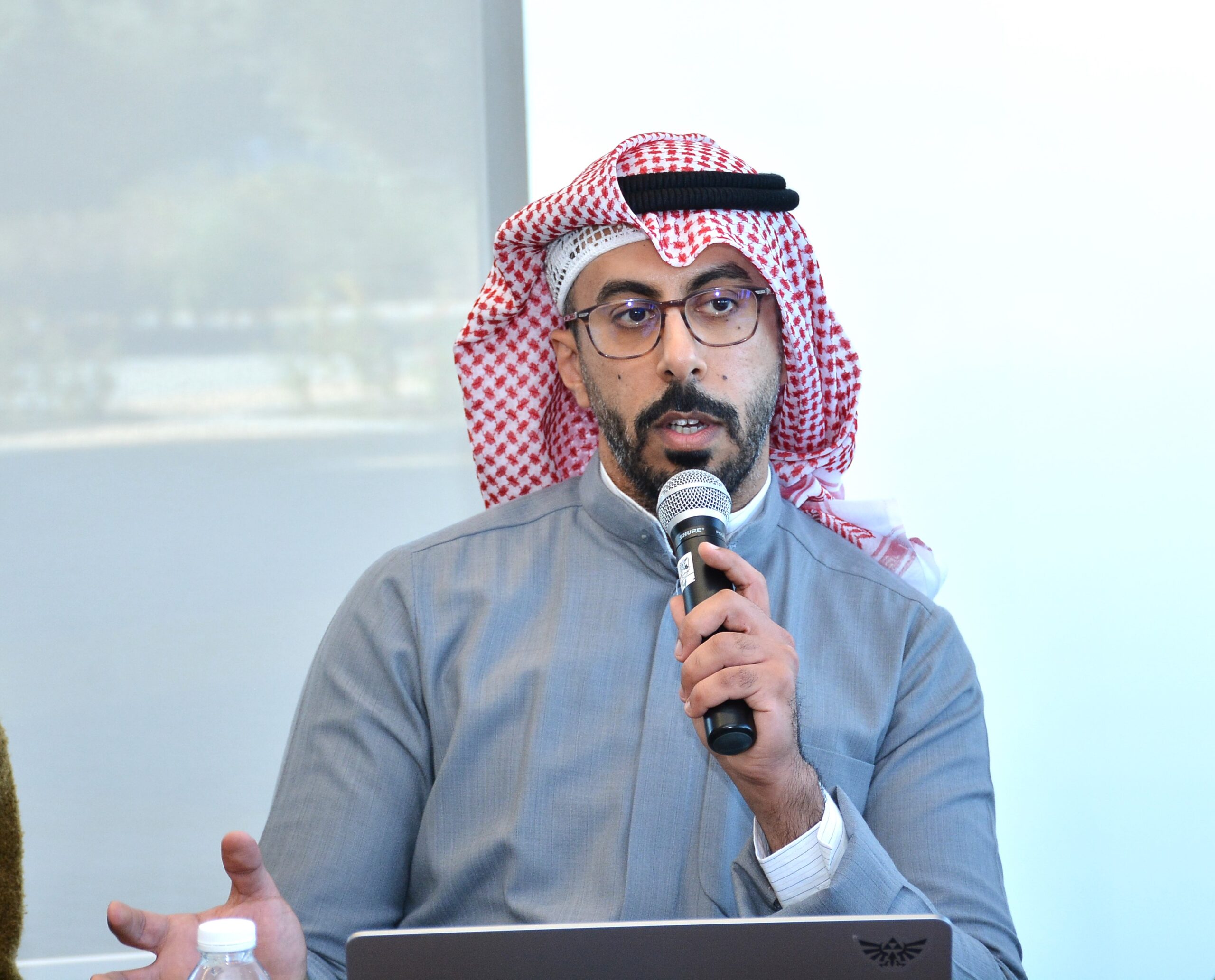
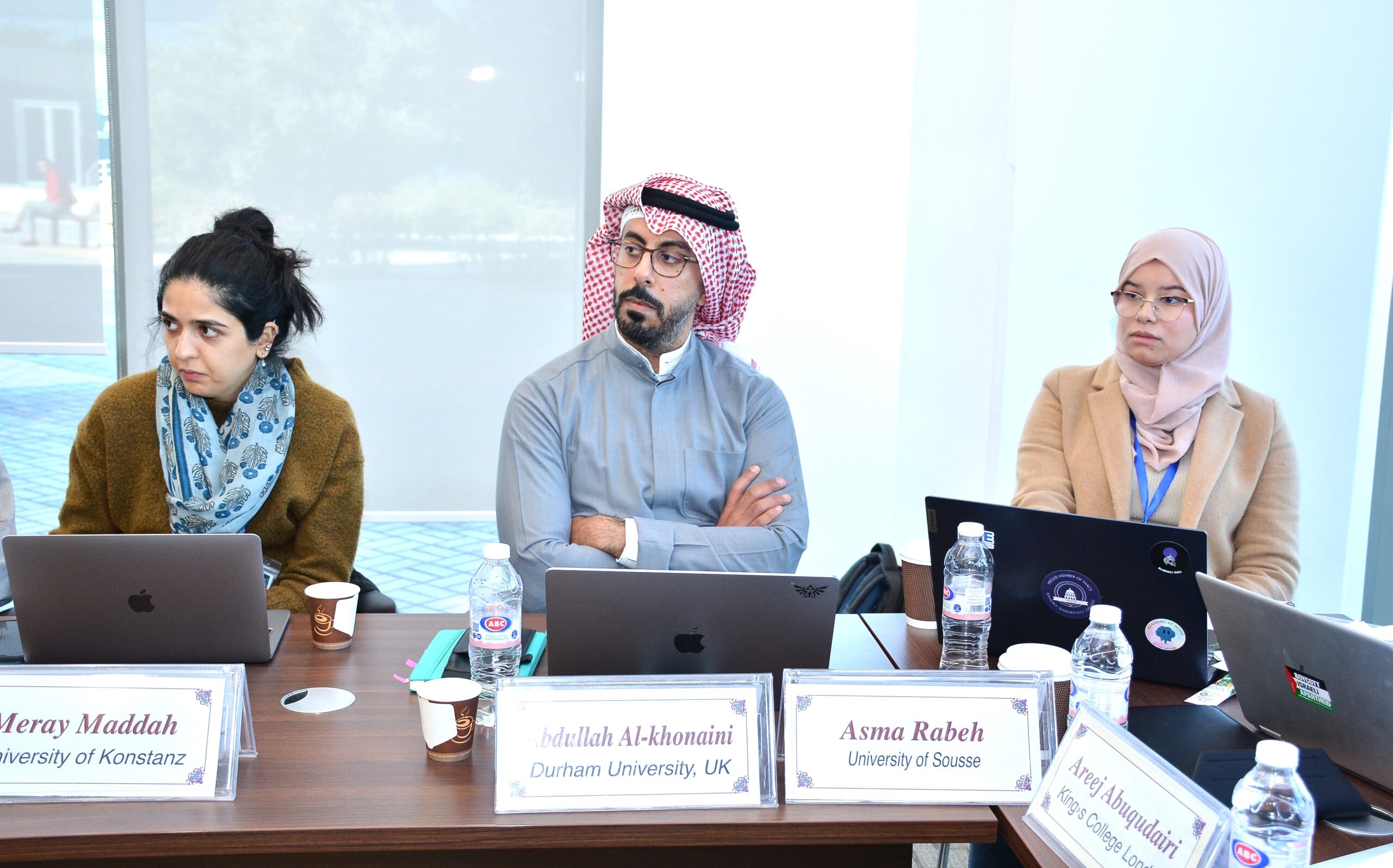
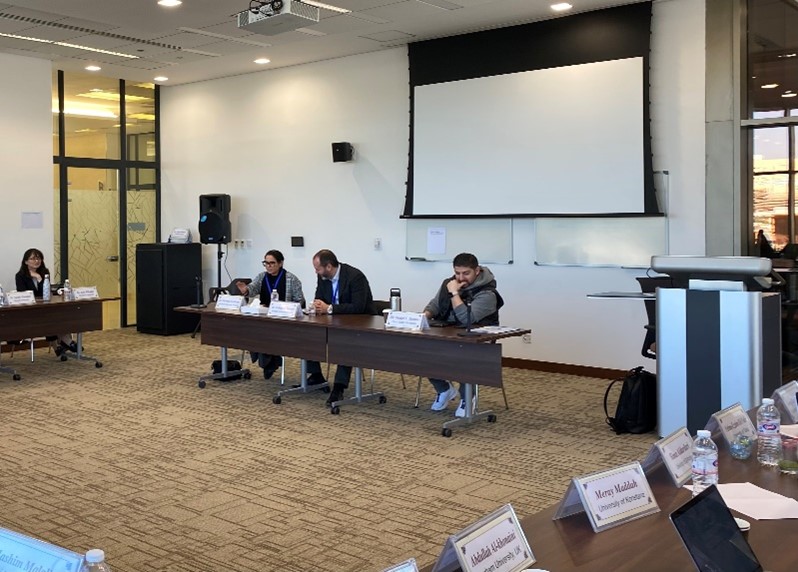
In addition, the program included roundtables and professional development sessions featuring guest scholars from Kuwait, as well as regional and international academic institutions. Following their participation, fellows were awarded a complimentary 3-year membership to APSA, joining a growing network of alumni from the MENA workshops.
Workshop Fellows
- Abdullah Al-Khonaini, Durham University, UK
- Areej Abuqudairi, King’s College London
- Asma Rabeh, University of Sousse, Tunisia
- Amin Alhaj, Arab American University (AAUP) in Ramallah, Palestine
- Ali Hijazi, Social Sciences University of Ankara, Turkey
- Boualam Mohamed, Hassan First University of Settat, Morocco
- Esam Boraey, Cornell University, US
- Fatima-Ezzahra Bel Fakir, University of Tunis, Tunisia
- Hashim Malallah, Florida State University, US
- Mariam Ben Slama, Johns Hopkins Universiy, Tunisia
- Haifa Souilmi, University of Oregon, Tunisia
- Mostafa ElSharkawy, University of Michigan, US
- Meray Maddah, University of Konstanz, Germany
- Mohammad Al-Mailam, Harvard University
- Motasem Abuzaid, University of Oxford, UK
- Noor May Hamwy, University of Wisconsin-Madison, US
- Dr. El Hafad Nouini, Social Sciences Lab-MENA, Morocco
- Ronay Bakan, Johns Hopkins University, US
- Salam Alsaadi, University of Toronto, Canada
- Sima Aldardari, University of St Andrews, UK
- Mohamed Dhia Hammami, Syracuse University, Tunisia
Qualitative Methods for the Social Sciences: Causal Analysis
May 15-17, 2024 – Tangier, Morocco
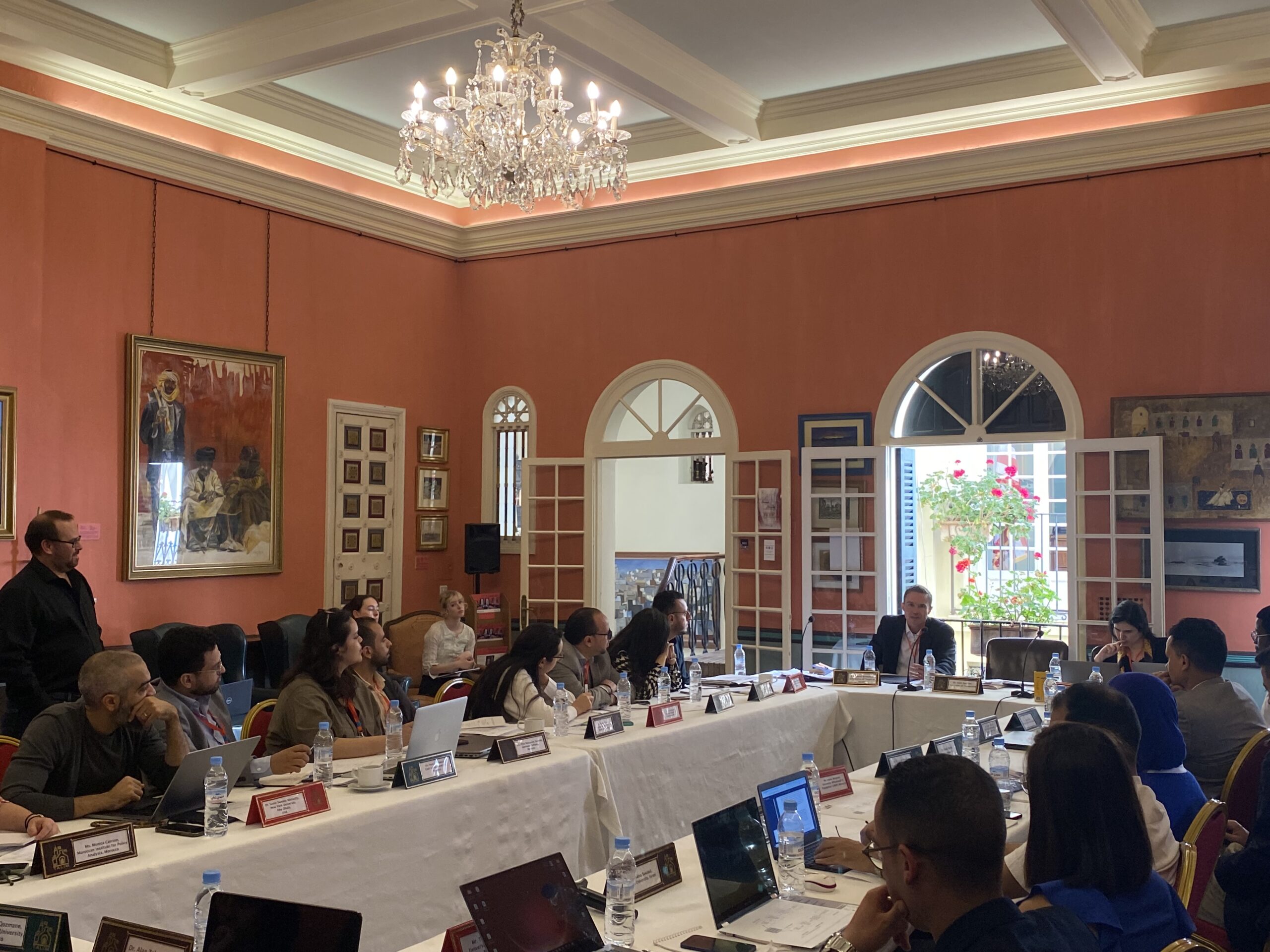
In May 2024, APSA held its second MENA Methods training workshop in Tangier in partnership with the Tangier American Legation Museum (TALIM) and the Moroccan Institute for Policy Analysis (MIPA). The three-day workshop gathered 22 participants from Morocco and other Arab MENA countries, providing intermediate-level training on understanding and applying methods of qualitative analysis in social science research. Led by Drs. Jason Brownlee (University of Texas at Austin), Matt Buehler (University of Tennessee), and Zaynab El Bernoussi (NYU Abu Dhabi), the program aimed to enhance participants’ foundational knowledge of qualitative research methods and provide training on some of the specific tools of causal analysis used in high-quality qualitative research.
Co-leaders guided attendees through a series of sessions combining theory with practical applications and engaged participants in exercises to apply learned concepts to their current research projects. (see reading list and schedule).
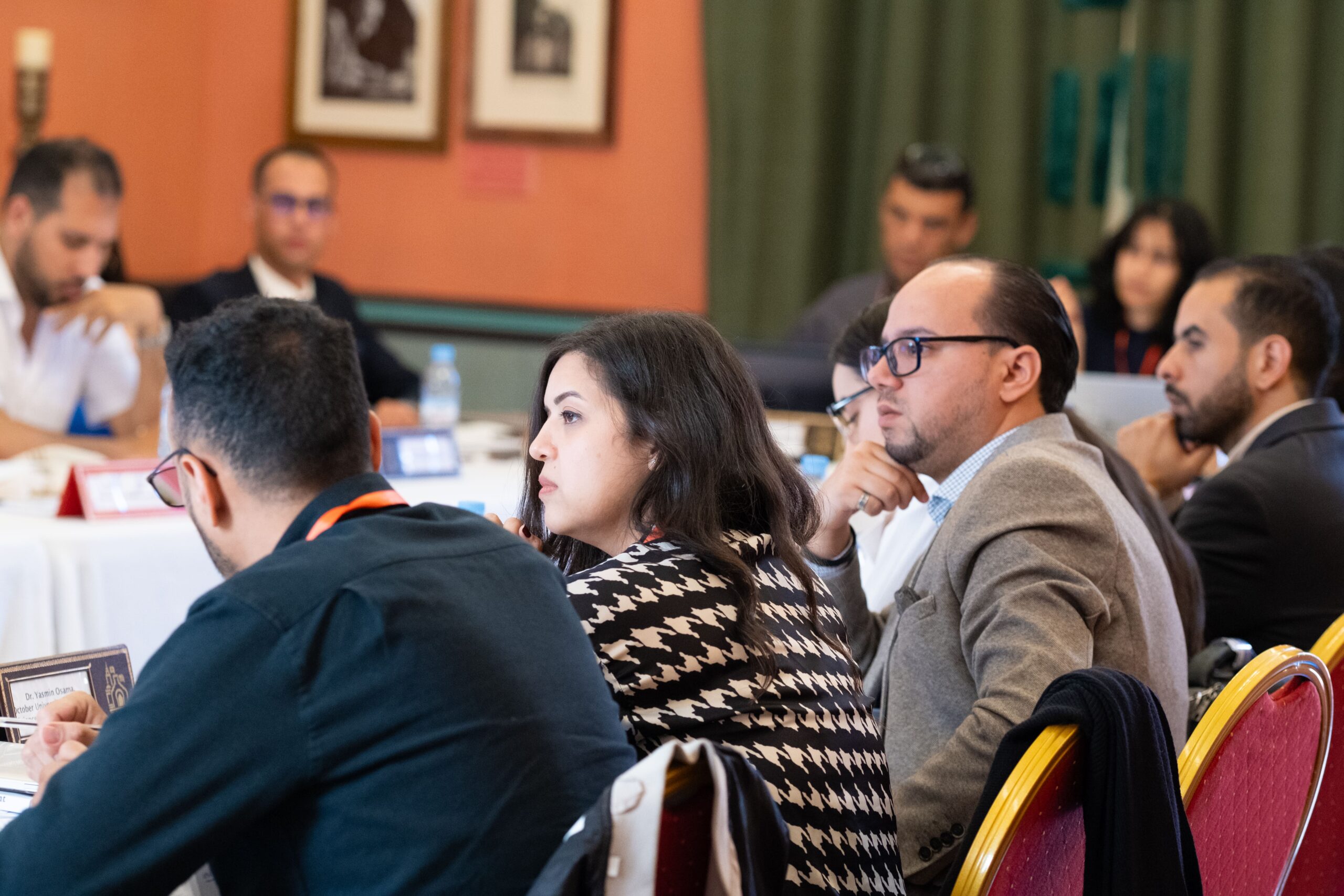

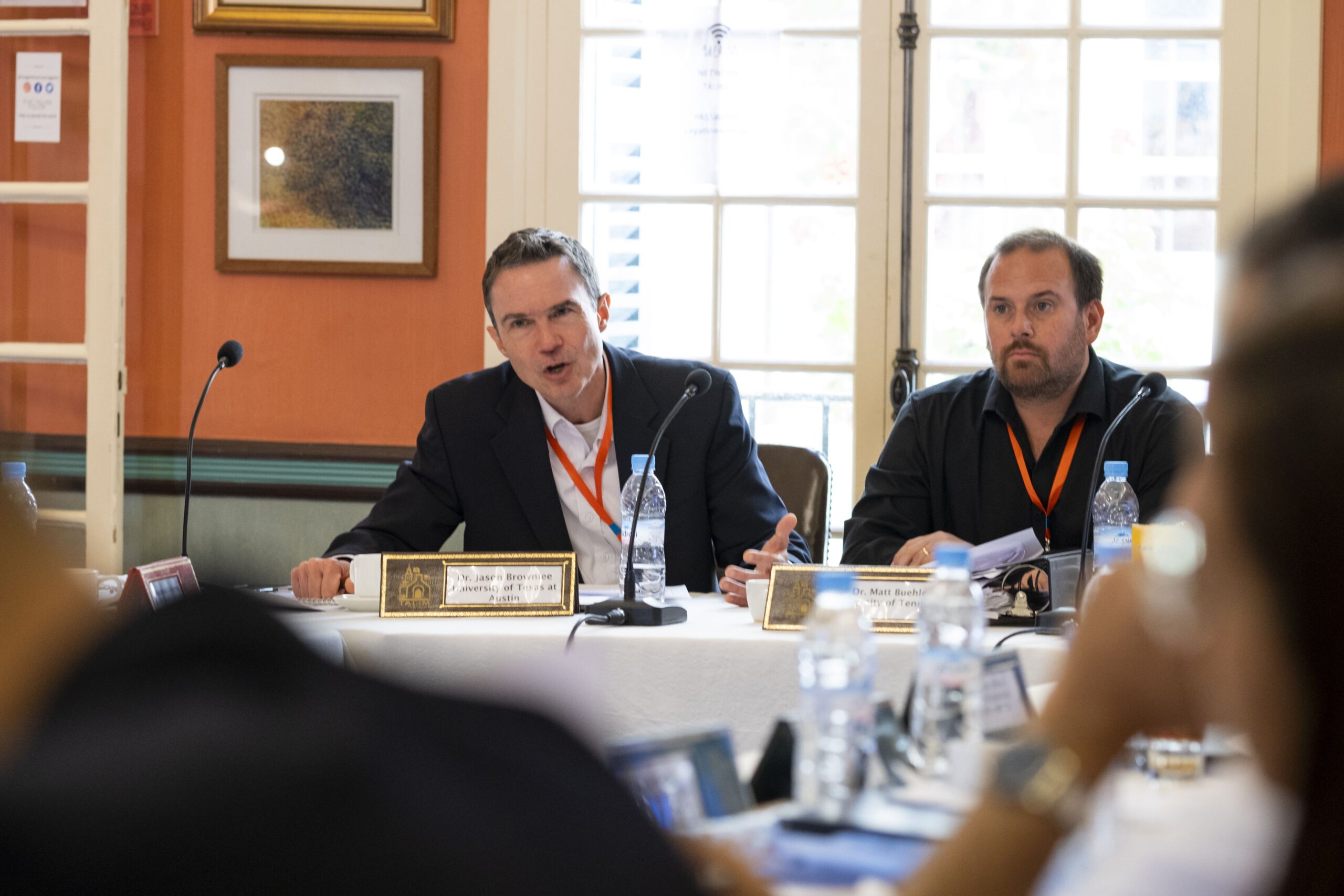
“The sessions involving hands-on exercises such as the causal diagram building and backcasting exercises particularly helped deepen my understanding of qualitative research methods.” – Workshop Fellow
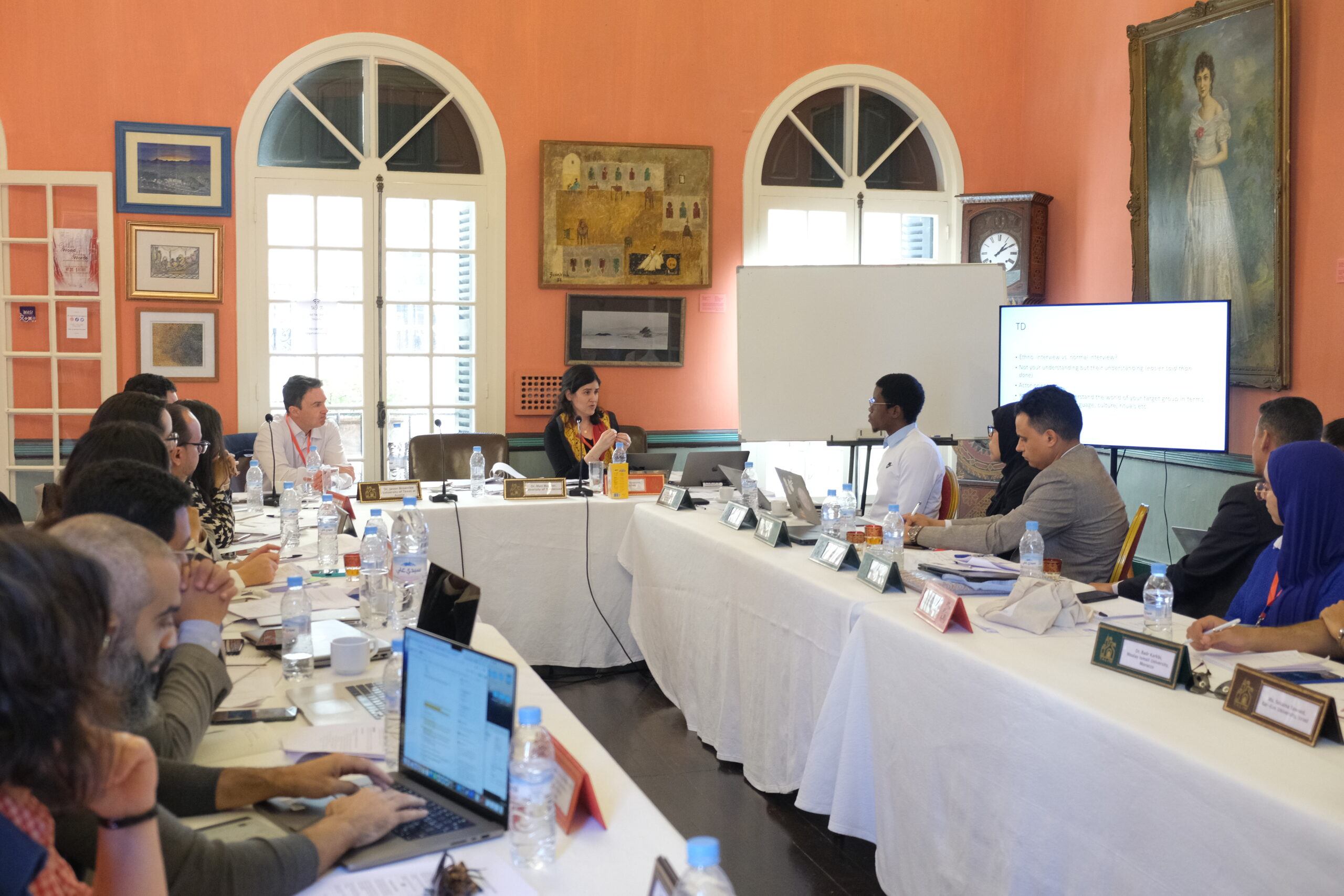
“I appreciated the practical side of the course, including case studies and debates among participants. Meeting scholars from the region, learning new concepts, and meeting co-leaders in person, having previously only read their works were the most beneficial aspects of the program.” – Workshop Fellow
This workshop marks the second methods training workshop held by APSA’s Middle East and North Africa Program, following the launch of the MENA Methods Program Initiative in 2023. The inaugural program, titled “Quantitative Methods for the Social Sciences: Regression Analysis,” was held at the Doha Institute of Graduate Studies in December 2023 in collaboration with the Arab Political Science Network (APSN).
Unlike short-term trainings, APSA’s program combines intensive in-person instruction with a range of extended engagements, and features skill-building activities closely linked to research outputs. Fellows completing the workshop received a one-year membership to APSA. Scholars were also encouraged to apply for the MENA Mentoring Initiative, where they could receive targeted mentorship lasting 3-6 months to advance specific scholarly outputs such as journal articles, book chapters, book projects, or datasets.
Funded by Carnegie Corporation of New York, APSA’s MENA Program is a multi-year effort to support political science research and networking among early-career scholars across the Arab MENA region. For program news, updates, and additional information, contact menaworkshops@apsanet.org.
Workshop Participants
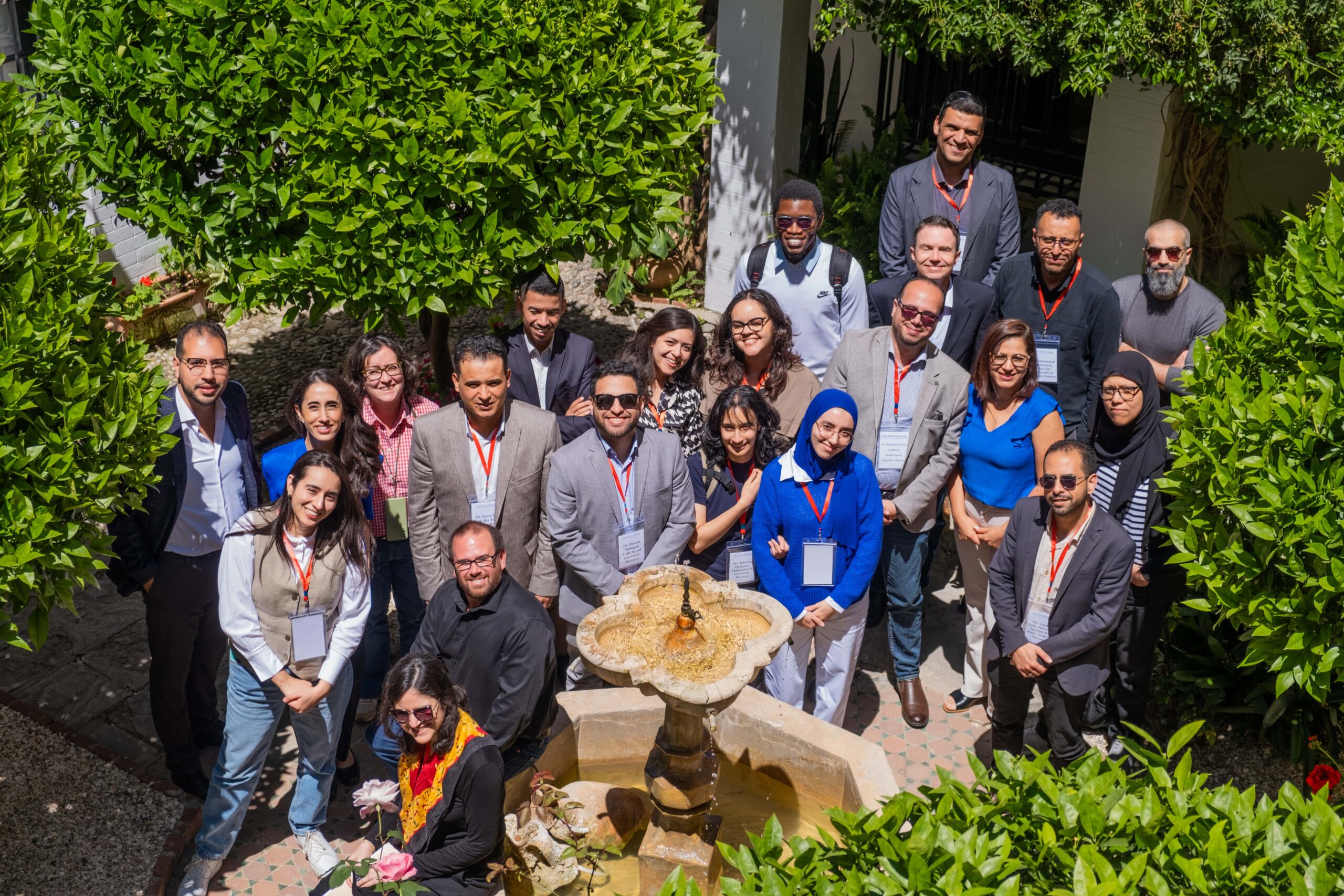
- Badr Karkbi (PhD), Moulay Ismail University, Morocco
- Sokaina Sawaed, Bar-Ilan University, Israel
- Hiba Mezzyane, Konrad Adenauer Stiftung, Morocco
- El Hafad Nouini (PhD), Social Sciences Lab, Morocco
- Haidi Esmat Abdelmalek Kares (PhD), Cairo University, Egypt
- Issam El Birch (PhD), Ibn Tofail University, Kénitra- Morocco
- Mohammed Ouhemmou (PhD), Ibn Tofail University, Kénitra- Morocco
- Samir Sweida-Metwally (PhD), NUY Abu Dhabi, UAE
- Tarik Lahrach, University Cadi Ayyad, Morocco
- Mohamed Zakaria Laghmam (PhD), Moulay Ismail University, Morocco
- Yasmin Osama (PhD), October University for Modern Sciences & Arts (MSA), Egypt
- Imane Anegmar, University Mohammed VI Polytechnic (UM6P), Morocco
- Kemeni Kambiet Perez Lionnel, University of Mohammed VI Polytechnic Benguerrir, Morocco
- Ibtissam Ghaich, Mohammed V University of Rabat, Morocco
- Rasha Fuad M. Awale, University of Debrecen, Jordan
- Assia Rachak, Hassan II University of Casablanca, Morocco
- Alaa Zahran (PhD), Arab Open University, Egypt
- Khawla Qozmane, Mohammed V University, Morocco
- Mohammed Lemouden, Mohammed V University, Morocco
- Monica Carrion, Moroccan Institute for Policy Analysis, Morocco
- Ayman Taleb, Moroccan Institute for Policy Analysis, Morocco
- Hamza Nidazzi (PhD), Cadi Ayyad University, Morocco