
2025 Workshops
Decolonization and Extractivism in Academic Research in the MENA Region
August 17-20, 2025 – Amman, Jordan
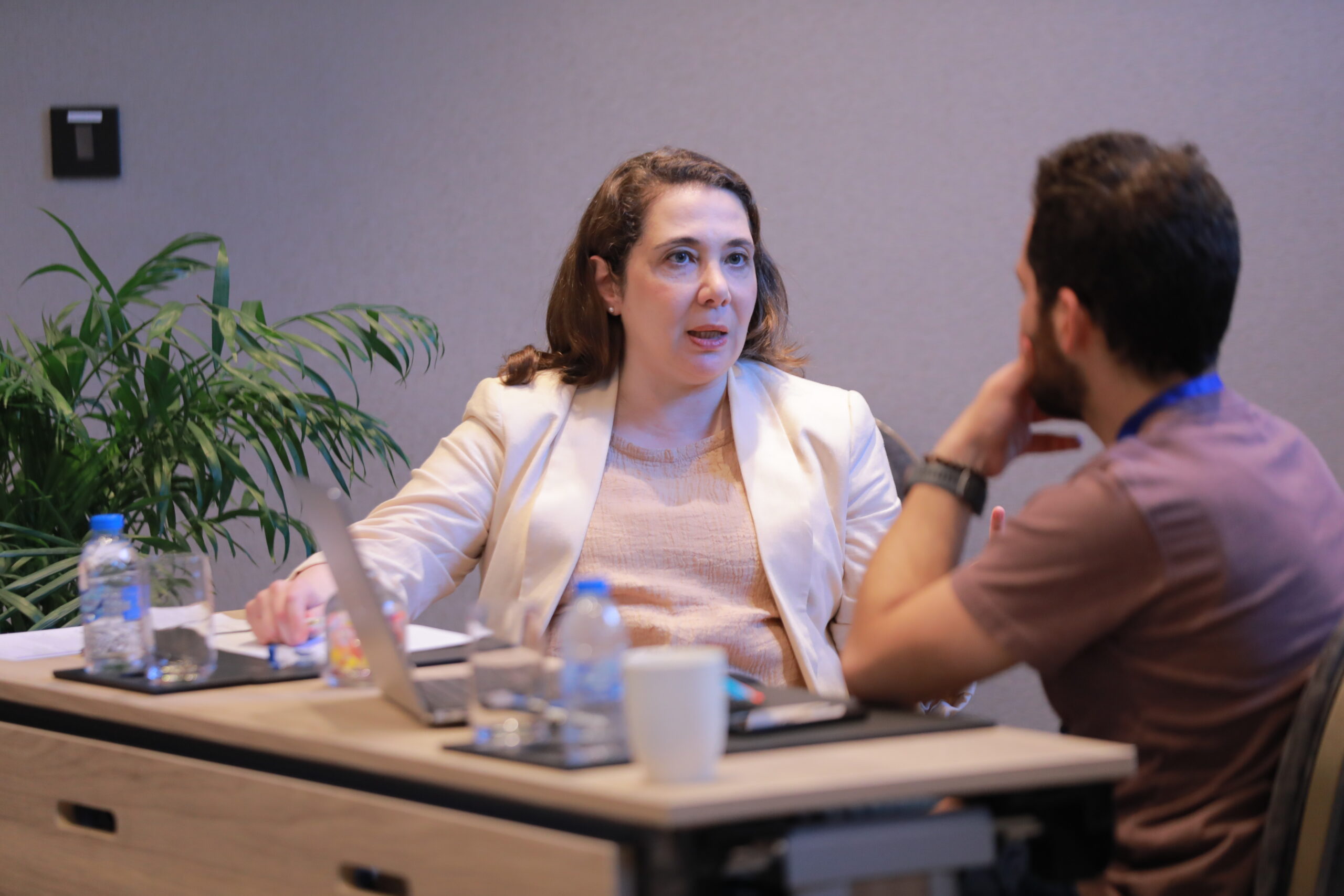
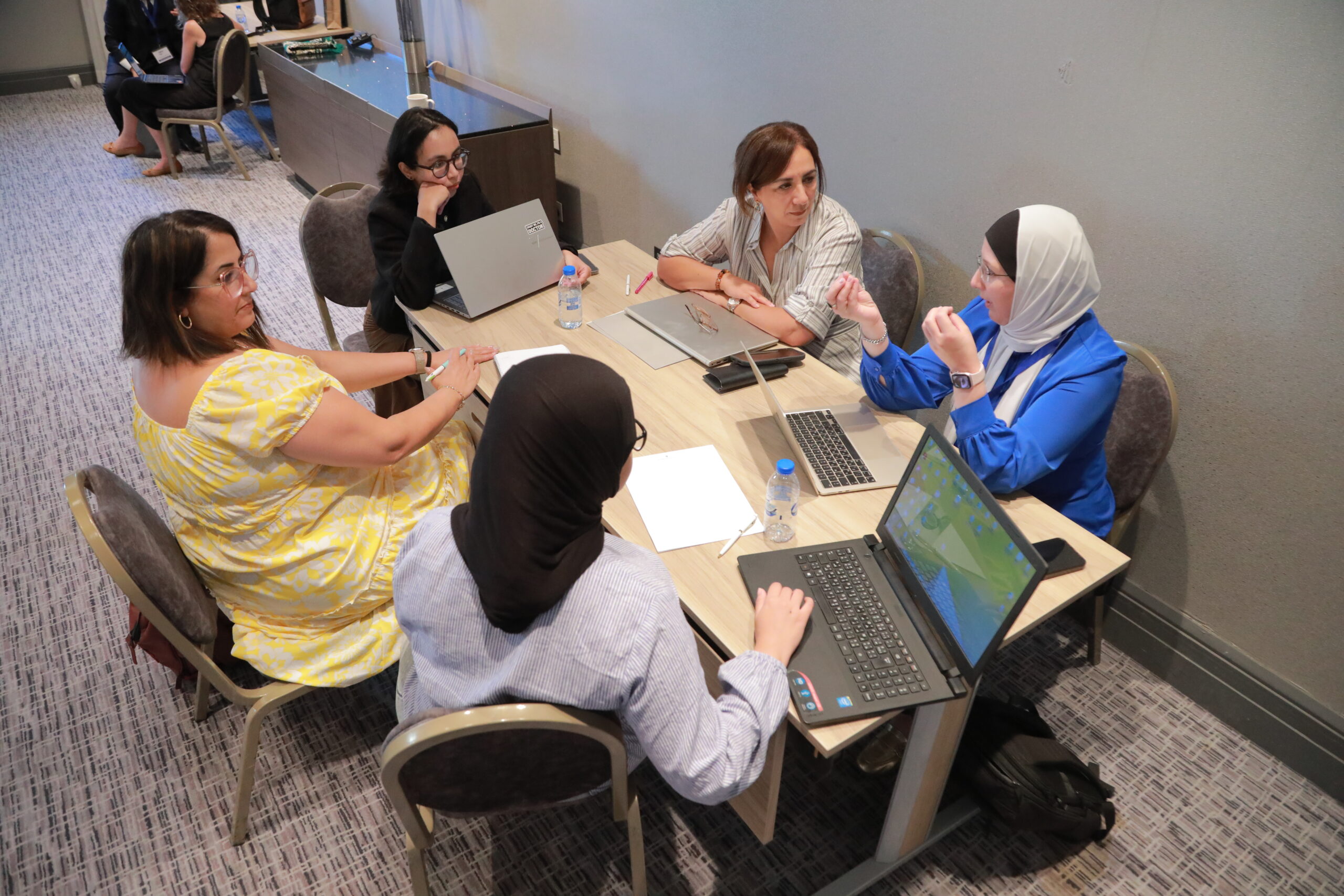
In August 2025, APSA held a four-day methods workshop in Amman, titled “Addressing Decolonization and Extractivism in Academic Research in the MENA Region.” Led by Drs. Rola El-Husseini (Lund University), Sarah Anne Rennick (Arab Reform Initiative, Paris), Nadine Sika (American University in Cairo), and Saloua Zerhouni (Mohammed V University), the program convened 25 PhD candidates and early-career scholars from across the Arab MENA region to examine the pervasive issue of extractivism in academia within the MENA region. The workshop marked the third methods training since the launch of the MENA Methods Program Initiative in 2023. The program combined thematic discussions with group exercises, encouraging participants to engage with critical issues in decolonial research, including intellectual extractivism, research ethics, positionality, and knowledge production (see reading list and schedule).
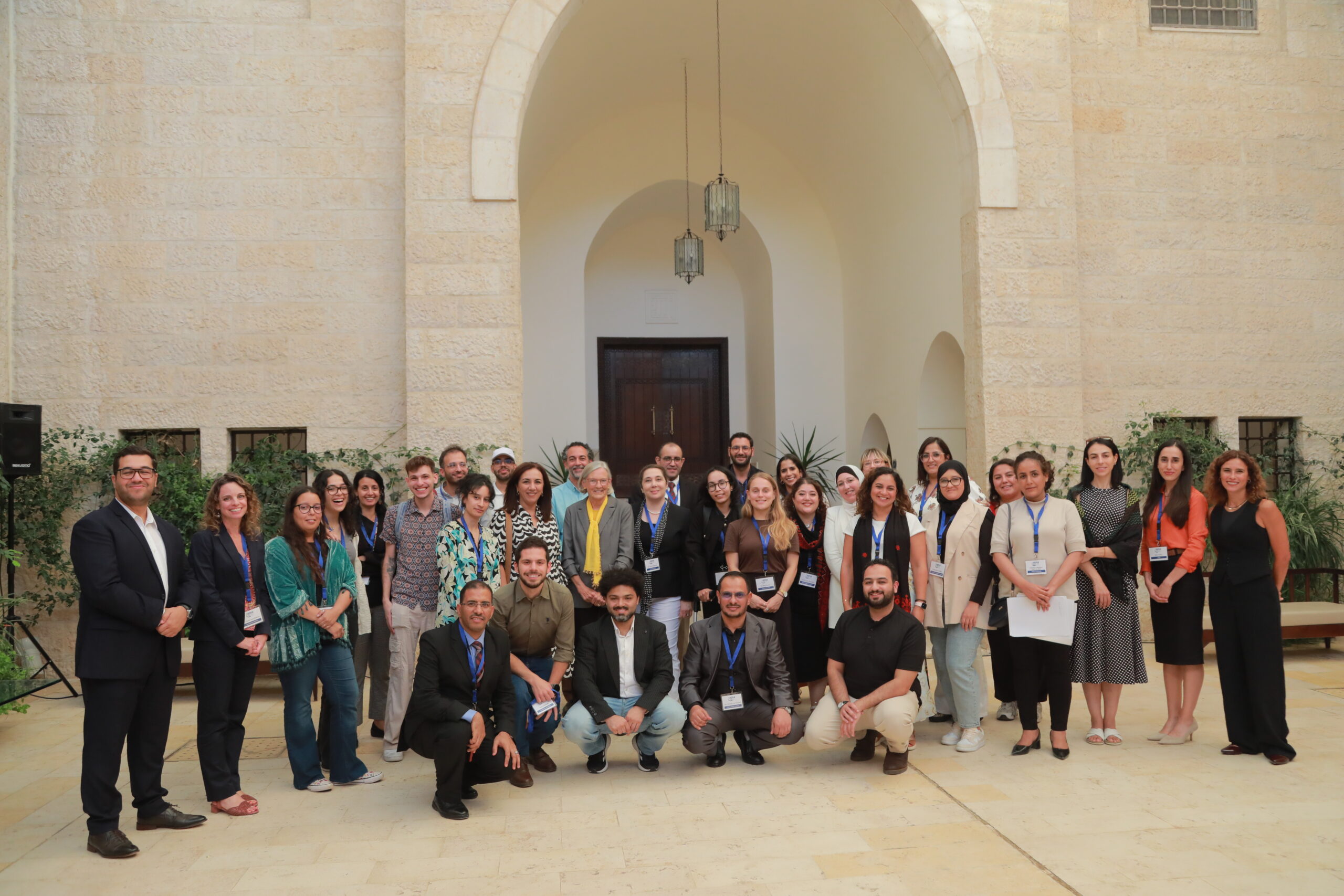
Together with workshop fellows, co-leaders examined how epistemic extractivism manifests in research practices that appropriate local knowledge without reciprocity and reproduce asymmetrical power relations between Western and regional scholars. Fellows reflected on how extractivist logics can operate through data collection, analysis, and dissemination in the MENA context, where the exploitation of knowledge and other intellectual resources from marginalized communities and local research partners remains prevalent.
“I appreciated the openness and vulnerability of both participants and facilitators, which created a space where it felt possible to speak openly and question one another’s standpoints.” –Workshop Fellow
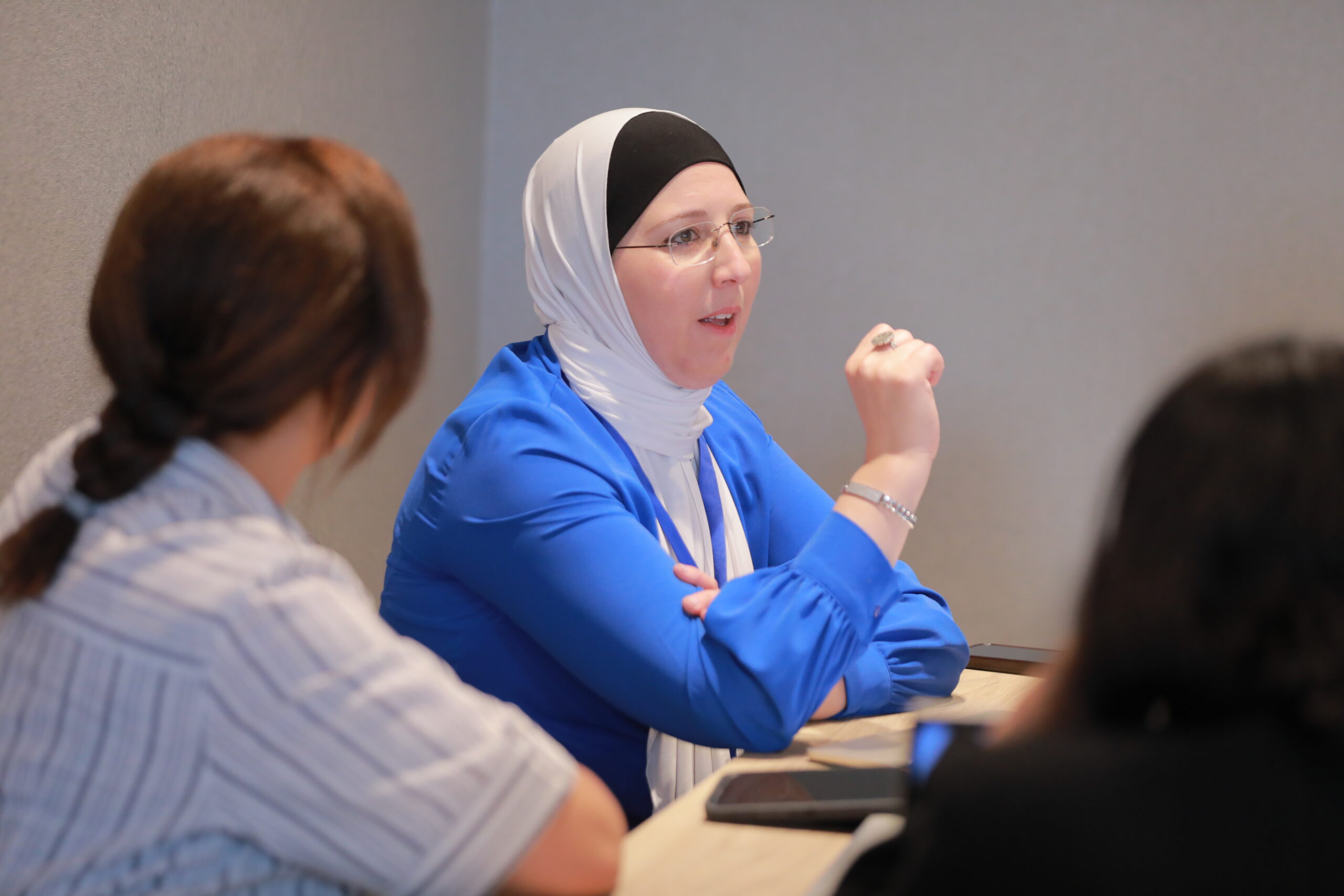
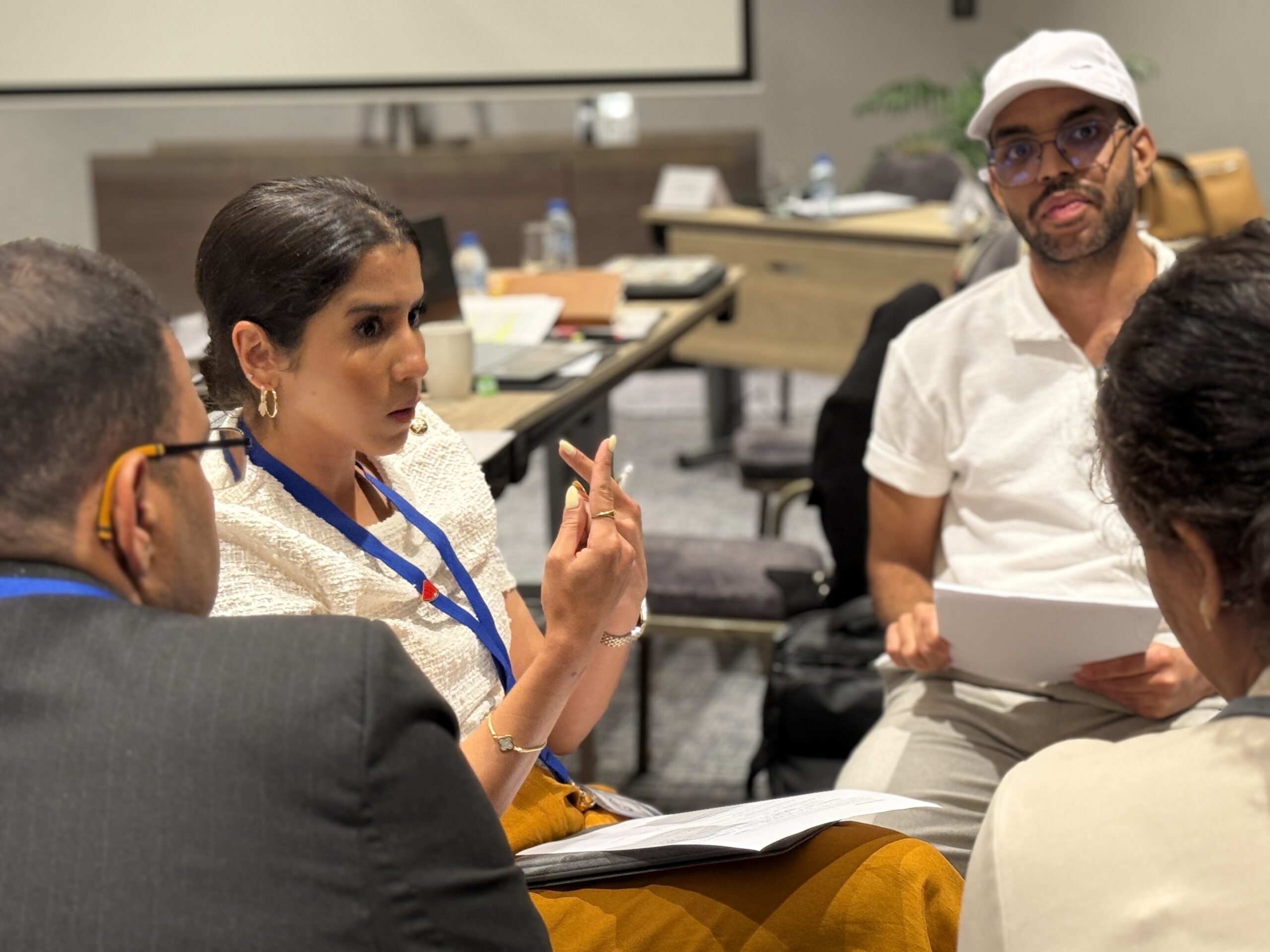
Drawing on their own experience from fieldwork in the region, fellows and participants discussed the challenges of conducting research in politically charged and unequal contexts, and the responsibility of scholars to acknowledge power asymmetries in their research and analysis. Beyond the discussions, the workshop also highlighted the structural forces in academia that shape knowledge production and contribute to the dynamics of extractivism. Participants reflected on the purposes of knowledge production and whether it is primarily generated to advance careers and accumulate institutional capital, or to inform change and social impact. The workshop further explored the potential for a paradigm shift in how knowledge is produced, communicated, and utilized, envisioning frameworks that move beyond extractive practices toward models of reciprocity, accessibility, and recognition of diverse epistemologies.
Group exercises and simulations invited fellows to consider how alternative principles and approaches, including those from the Māori Code of Ethics, could inform more ethical and culturally grounded research practices in MENA contexts.
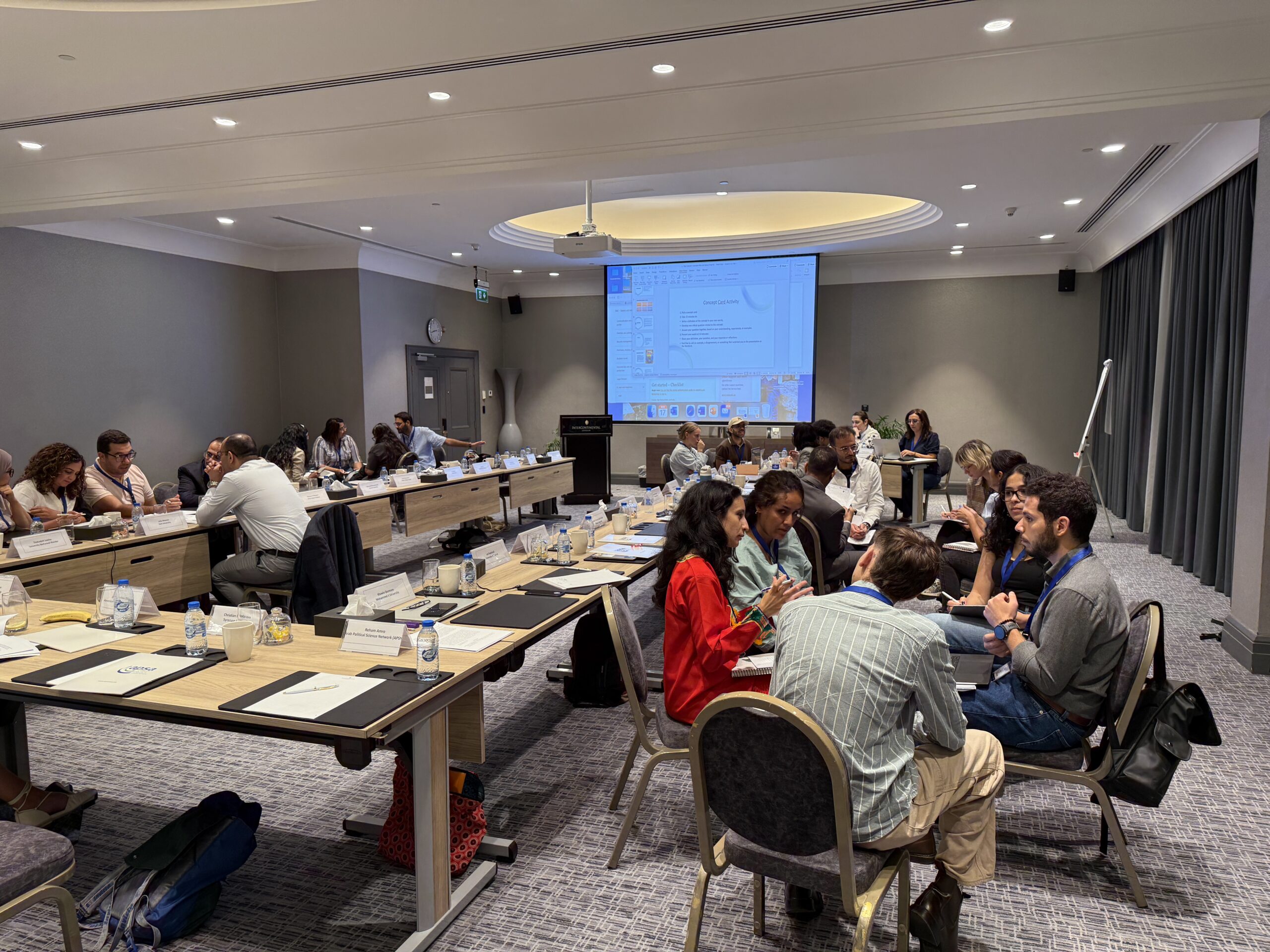
The program also offered designated office hours for fellows to seek feedback and guidance on their research projects from workshop facilitators.
As part of the program, Columbia Global Centers | Amman hosted a public roundtable on research ethics in the MENA region, featuring Dr. Lisa Anderson (Columbia University) in conversation with the workshop facilitators. The discussion focused on the structural hierarchies embedded in global knowledge production and the challenges they pose for scholars in the region, particularly around questions of positionality, ethics, and reciprocity. Drawing on their experiences and scholarship, including work from the REMENA project, panelists discussed how scholars can challenge extractive practices and contribute to the democratization of knowledge in and about the region. The event concluded with a reception that brought together workshop fellows with scholars from the local Columbia academic community and regional research and policy institutes.
Workshop Fellows
- Marouane Abidouche — Mohammed V University, Morocco
- Ghaidaa Al-Absi — Malaya University, Yemen
- Taraf Abu Hamdan — Independent Researcher, Jordan
- Areej Abuqudairi — King’s College London, UK
- Jad Baghdadi — University of Oxford, Syria
- Khaoula Bengezi — York University, Libya
- Bilal Aladaylih — University of Jordan
- Christian Bevilacqua (MA student) — Syracuse University, US
- Anasuya Virmani — University of Oxford, UK
- Abdallah Sami Abulouz — University of Michigan, Jordan
- Mohamed Dhia Hammami — Syracuse University, Tunisia
- Timhadjelt Sabiha — University Mohamed Kheider, Algeria
- Safae Benfraiha — University Hassan II Ben M’sik-Casablanca, Morocco
- Adel Dashela — Columbia Global Centers Amman, Jordan
- Ghadeer Awwad — University of Michigan, Palestine
- Sara Aljabari — Seeds of Peace, Palestine
- Ahmed Bilel Kotti — University of Sfax, Tunisia
- Areej Issa — Bethlehem University, Palestine
- Kawtar Khalil — Hassan II University, Morocco
- Khawla Qozmane — Mohammed V University, Morocco
- Mansour Al-Maswari — MESA Global Academy, Jordan
- Laila Mourad — York University, Egypt
- Youssef Mnaili — Wits University, Johannesburg, Morocco
- Nisreen Alsoudi — Eötvös Loránd University, Jordan