
2026 Workshops
Engaged and Participatory Research in the Middle East and North Africa
January 5–8, 2026 — Doha, Qata
In January 2026, APSA held a four-day methods training program in partnership with the Doha Institute for Graduate Studies for early-career scholars from across the MENA region. Led by Drs. Lara Khattab (Doha Institute), Stacey Philbrick Yadav (Hobart and William Smith Colleges), Sarah E. Parkinson (Johns Hopkins University), and Ammar Shamaileh (Doha Institute), the program convened nineteen doctoral students and early-career PhD-holding practitioners to examine the challenges of conducting engaged and participatory research in applied contexts. The workshop aimed to build on the growing interest in the methodological, practical, and ethical questions that arise from the use of political science research in non-academic or academic-adjacent contexts. Together with workshop fellows, co-leaders explored how engaged research approaches challenge conventional boundaries between academic and non-academic knowledge production. Sessions examined research conducted in collaboration with civil society organizations, advocacy groups, community-based actors, and policy institutions, highlighting both the promises and the risks of applied scholarship.
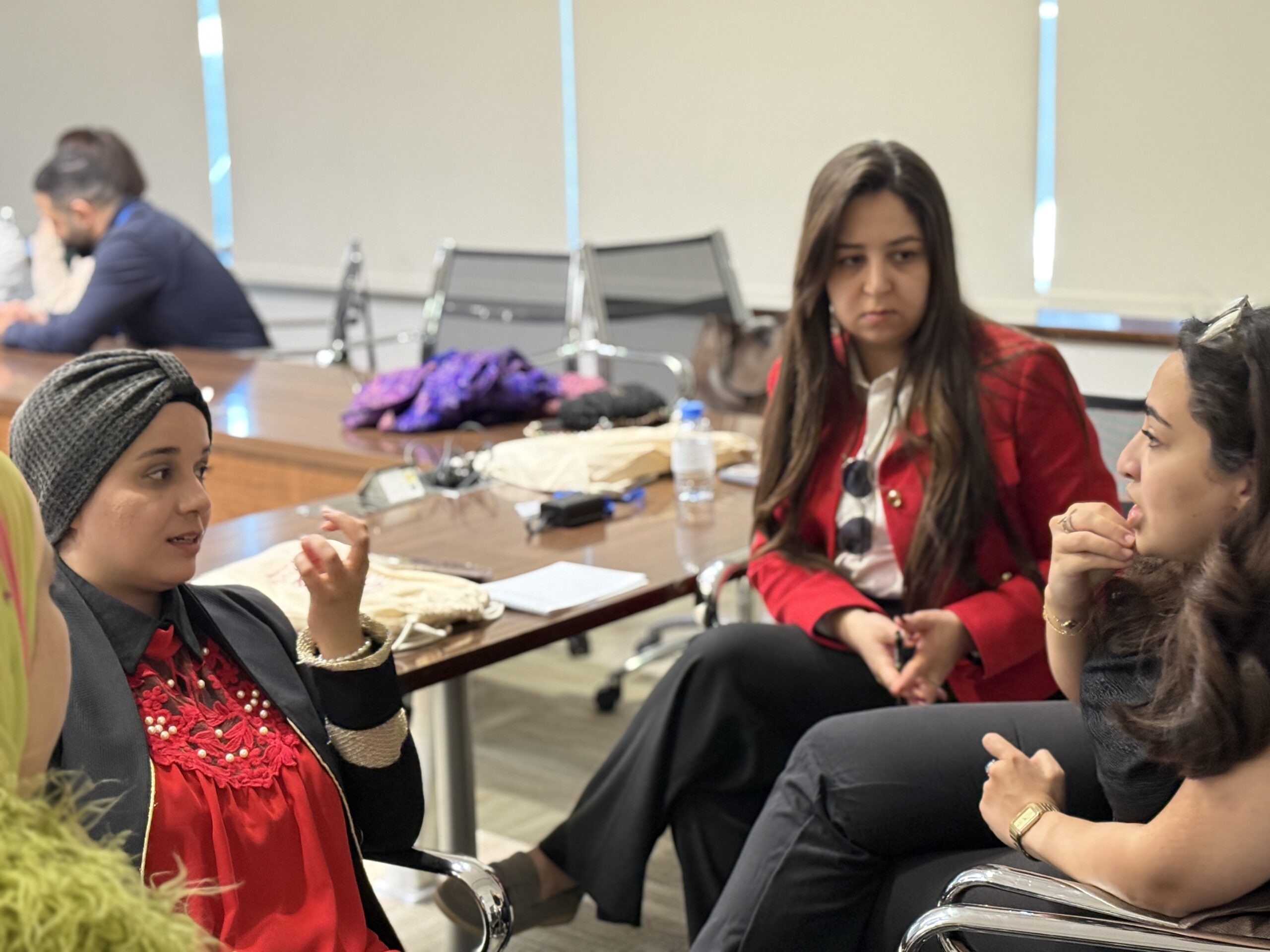
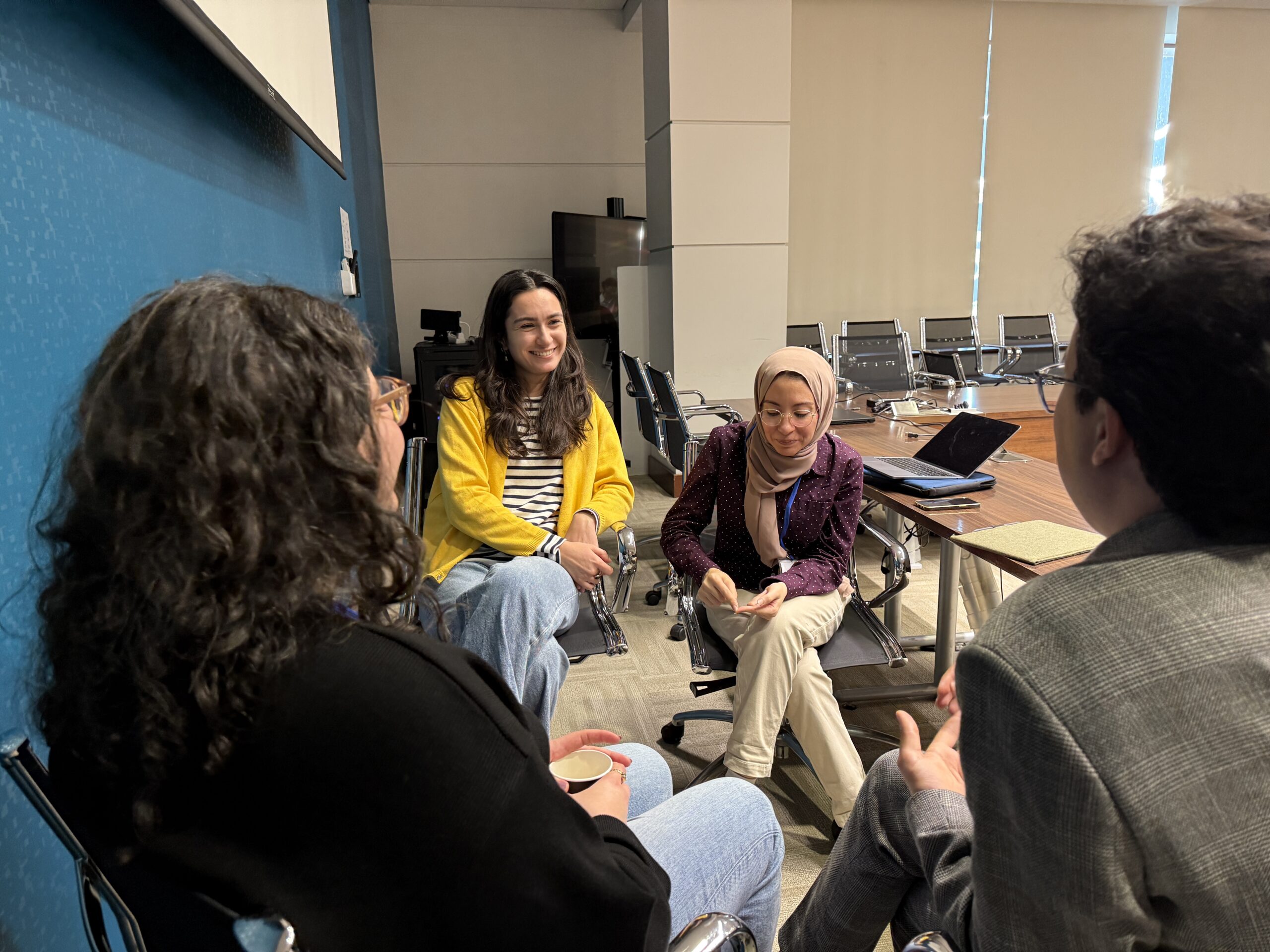
“The group activities were especially helpful because they pushed us to creatively apply the readings to realistic scenarios and to work collaboratively with one another.” –Workshop Fellow
Fellows critically examined how power, positionality, and institutional constraints shape research design, data collection, analysis, and dissemination in the MENA region, including in politically sensitive and conflict-affected contexts. Alongside lectures and thematic sessions, the program featured facilitated discussions with experts on research collaboration for Track II diplomacy and human rights advocacy. Guest speakers from NGOs and research institutes shared insights and best practices for supporting diplomatic processes in conflict-affected settings and conducting research that reflects the priorities of affected communities. Discussions also covered the role of research-sponsoring organizations in fostering effective, ethical, and minimally extractive collaborations (see reading list and schedule).
Building on these discussions, the program also featured a panel bringing together participants from universities and research organizations to reflect on the practical, methodological, and ethical challenges that arise when research is knowingly produced for public engagement.
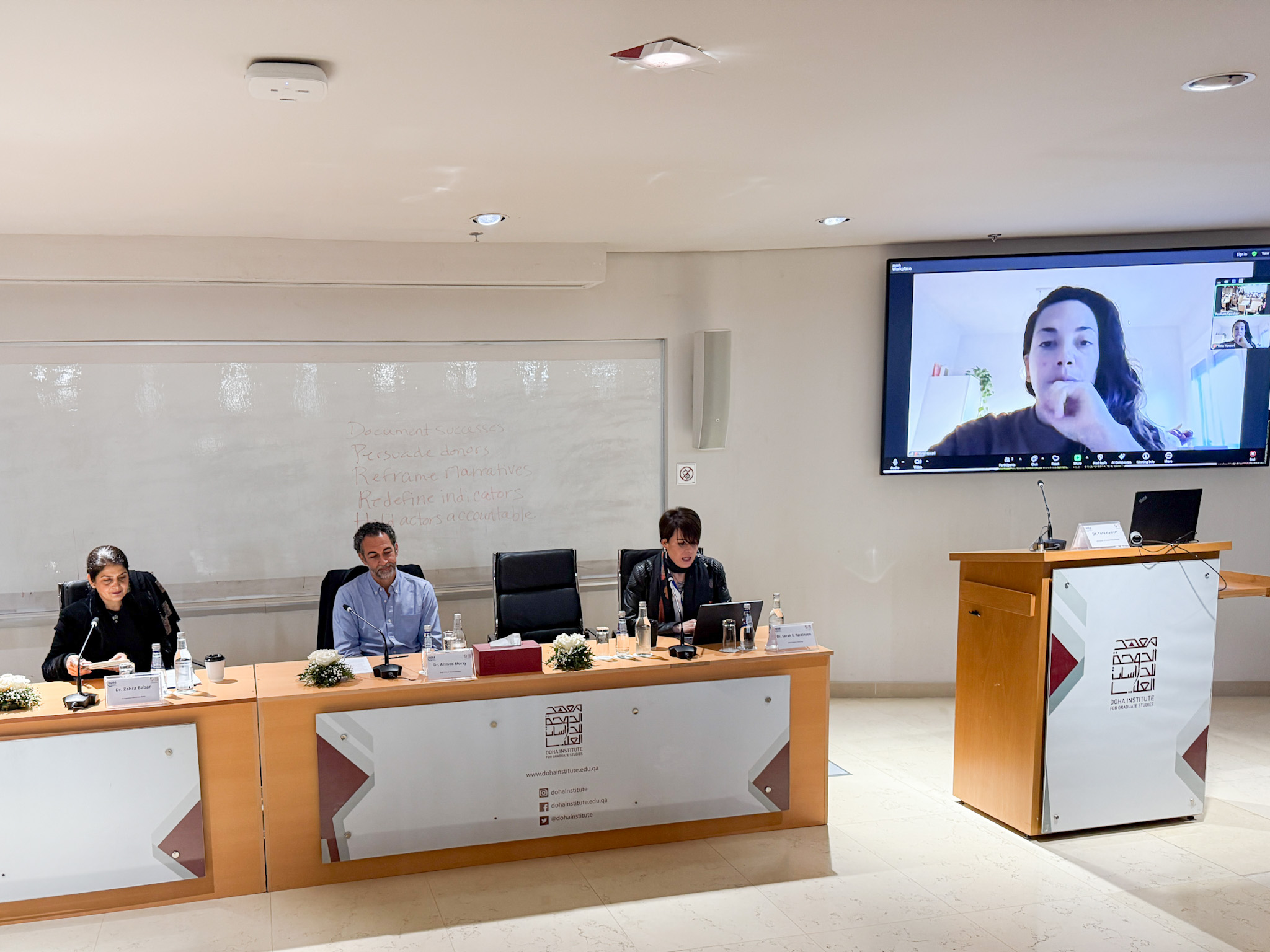
The program also offered designated office hours for fellows to seek feedback and guidance on their research projects from workshop facilitators. This workshop marked the fourth methods training since the launch of the MENA Methods Program Initiative in 2023.
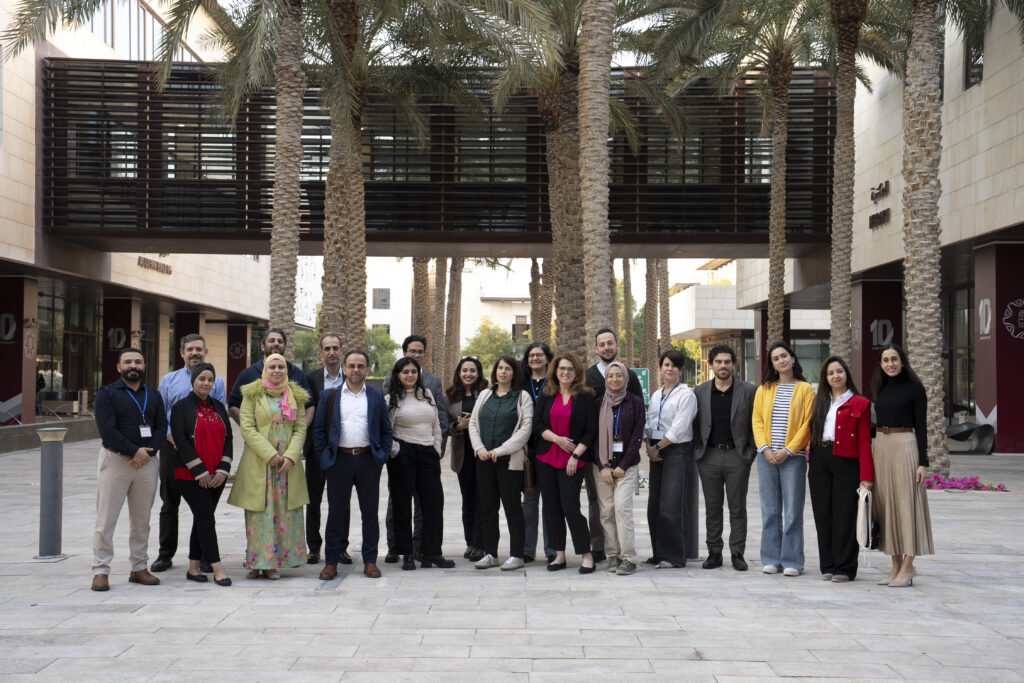
- Dalia Abdelnabi, Leipzig University
- Belal Abdalhay Doufesh, Birzeit University
- Abdulla Al-Kalisy, University of St Andrews
- Khaled Nagi Alosaimi, Coventry University
- Myriam Ahmed, Freie Universität Berlin
- Mahitab Ali, Dublin City University
- Rula Shahwan, Arab American University
- Skounti Said, Morocco, IMAL Initiative for Climate and Development
- Karim Safieddine, University of Pittsburgh
- Mariam Ghafir, Université Paris 1 Panthéon-Sorbonne
- Rihab Hafhaf, Mohammed V University
- Yousra Hasona, Durban University of Technology
- Imen Khemakhem, Eötvös Loránd University
- Merham Keleg, Ain Shams University
- Leith Mzahim Khudhyer, University of Mosul
- Salma Mouhami, Mohammed VI Polytechnic University (UM6P)
- Husam H. S. Rajab, Palestine Embassy, Budapest
- Ahmed Moneus, University of Science and Technology
- Muhammed Zeyn, University of Oxford